Nutrition for Longevity and Radiant Skin: A Complete Scientific Guide
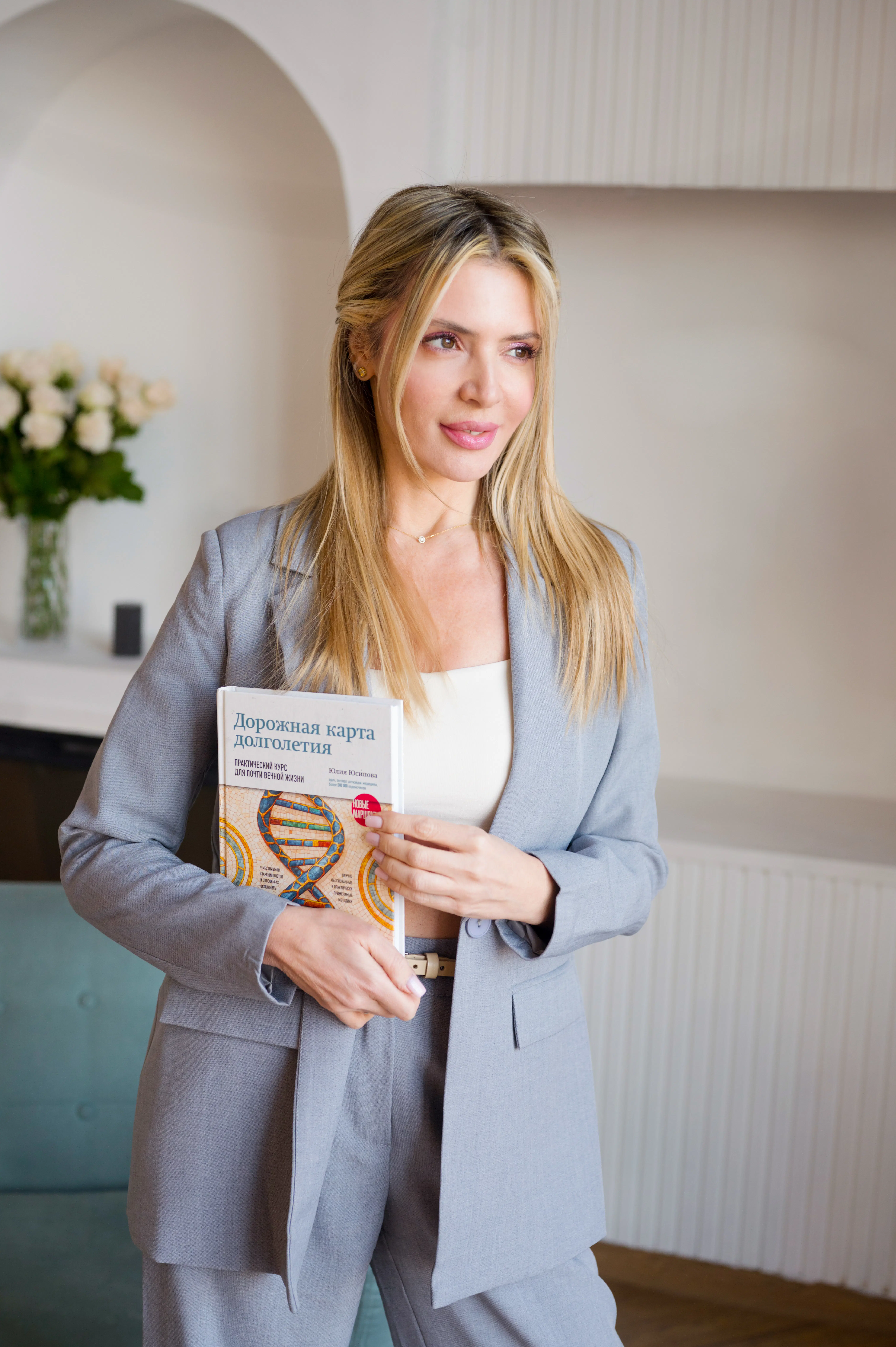
How nutrition helps skin glow and the body stay younger and functionally healthy for longer.
We often look for the secrets of eternal youth in expensive serums and complex cosmetic procedures. However, modern science increasingly confirms an old truth: what we put on our plate matters far more for our skin and longevity than any cream. Skin is not just an outer shell, but a mirror of our internal metabolic processes.
In this article we will break down how mindful food choices can not only add quality years to your life but also make your skin glow with health. We rely on the latest clinical research of 2025 to give you a proven "roadmap" to a radiant appearance and longevity. Let’s explore this path together.
Diets for longevity: what science teaches us
When we talk about longevity, we mean not just the number of years lived, but the preservation of activity, mental clarity, metabolic health, and independence in daily life. And here is an important distinction that is rarely explained in simple terms: chronological age is the number in your passport, while functional healthy aging is how a person actually feels and functions at 70, 75 years and beyond.
You can live to 75 but reach that age with pronounced frailty, diabetes, cardiovascular problems, reduced mobility, and cognitive decline. Or you can reach the same age with good endurance, a clear mind, stable energy, preserved muscle mass and the ability to live fully. It is the latter that modern longevity science is interested in.
In 2025, a large-scale study was published in the journal _Nature Medicine_, conducted by scientists from Harvard University. It showed that a high adherence to quality dietary patterns, including AHEI, Mediterranean-style and other eating models high in whole plant foods, is associated with significantly higher chances of so-called healthy aging. In several analyses, it was not simply about reducing the risk of death, but about the probability of reaching 70–75 years without major chronic diseases, without pronounced declines in cognitive and physical function.
It is especially interesting to talk about the Planetary Health Diet Index (PHDI) — an index that evaluates how well a diet aligns with the principles of the Planetary Health Diet. Essentially, this is a dietary model that emphasizes vegetables, fruits, legumes, whole grains, nuts, seeds, unsaturated fats and a moderate amount of animal products. It was created not only as a "diet for the planet" but also as a template that supports human health.
What matters: PHDI is not built around strict bans. It assesses the overall architecture of the diet. The higher the share of whole plant foods and the lower the share of ultra-processed foods, red processed meat, excess sugar and refined fats, the higher the final index. This resonates well with the findings of the Harvard 2025 study: the best results for healthy aging are shown not by “perfect” people on short-term diets, but by those who have built a sustainable quality dietary pattern over years.

To simplify, AHEI focuses more on diet quality in terms of chronic disease, while PHDI focuses on diet quality in a broader system: human health plus long-term sustainability. But in real life these models are surprisingly similar. Both encourage:
- vegetables and fruits every day;
- legumes as a stable source of fiber and plant protein;
- whole grains instead of refined ones;
- nuts, seeds and olive oil as sources of beneficial fats;
- moderation regarding red meat;
- minimal ultra-processed foods.
Why is this so important specifically for skin and outward aging? Because the body’s functional aging directly reflects on the face. Metabolic inflammation, insulin resistance, microvascular dysfunction, micronutrient deficiencies and chronic oxidative stress accelerate loss of elasticity, dull complexion and slowed tissue repair. When a diet works in favor of healthy aging, it almost always works in favor of the skin.
Unlike the “Western” diet, rich in sodium, added sugar, trans fats and ultra-processed foods, the Mediterranean and similar patterns flood cells with antioxidants, improve insulin sensitivity, support vascular function and reduce systemic inflammation. At Better With Anna we view it this way: nutrition is not restriction or a list of bans, but a way to create an environment in the body in which it ages more slowly and more beautifully.
Potassium-sodium balance: how to defeat puffiness
Have you ever noticed that after a salty dinner your face looks puffy in the morning and the skin seems “tight” but not fresh? This is not just a cosmetic effect. It is a visible reflection of what happens to fluid-salt balance, blood vessels and inflammatory signals in the body.
Sodium retains water in the intercellular space, increases circulating fluid volume and creates conditions for higher blood pressure. But the story is not limited to edema. When dietary sodium is too high and potassium is low, the function of the vascular wall changes, vessel stiffness increases and mechanisms associated with chronic low-grade inflammation are activated. For the skin this is especially sensitive because its appearance strongly depends on microcirculation.
High sodium is associated not only with fluid retention but also with endothelial dysfunction — the inner lining of blood vessels. When the endothelium works worse, the skin receives less stable blood supply, which means oxygen and nutrients are delivered less effectively. Additionally, the skin microvasculature — the thin network of the smallest vessels that determine complexion, tissue repair and proper dermal nutrition — suffers. In practice this can manifest as dullness, more pronounced skin reactivity, a tendency to redness and less defined facial contours due to a combination of puffiness and vascular dysregulation.
There is another layer: excess salt can amplify pro-inflammatory immune reactions. So a salty diet is not only “water retention,” but a real contribution to a background on which skin repairs worse.
Potassium is the natural antagonist of sodium. It helps cells maintain the proper electrolyte balance, participates in blood pressure regulation and supports healthier vascular function. Simply put, when the diet contains enough potassium, the body copes more easily with excess sodium and the skin looks less puffy and more alive.
Best sources of potassium for your beauty:
- Cucumbers and celery: help gently support fluid balance and add volume without extra sodium.
- Parsley: contains potassium and phytonutrients with anti-inflammatory potential.
- Beetroot and leafy greens: support vascular function and blood flow.
- Avocado, potato, sweet potato, beans, lentils: more nutrient-dense foods that truly help reach potassium targets during the day.
A separate note about hidden sodium. Many think the problem is only the salt shaker, but most excess salt comes from foods that don’t seem particularly salty. These are bread, ready-made sauces, cheese, sausages, smoked meats, canned goods, frozen convenience foods, “fitness” snacks, instant soups, plant-based meat analogs and even some breakfasts and cottage cheese products.
What helps in real life:
- look not only for the word “salt,” but also for sodium in the ingredient list and nutrition facts;
- compare similar products — the difference can be 2–3 times;
- pay attention to ingredients like sodium benzoate, sodium bicarbonate, monosodium glutamate, disodium phosphate — these are also sources of sodium;
- remember that the label “no added sugar” does not mean “low in salt”;
- if a product contains more sodium than you expected for its category, look for an alternative.
A good rule: the closer a product is to its natural form, the easier it is to control sodium. Reducing salt intake does not mean bland food. On the contrary, flavor often becomes more interesting when you use lemon juice, garlic, herbs, smoked paprika, cumin, thyme, rosemary or quality vinegar. This way food stays vibrant and the face becomes less puffy.
Beneficial fats: glow from within
Many people still fear fats, believing they cause weight problems. But for skin, fats are not optional; they are basic building material. Essential fatty acids, especially omega-3s and some omega-6s, participate in forming the lipid layer of the stratum corneum. It is this layer that helps retain water inside and protects against external irritants.
Here it is important to distinguish two similar but not identical concepts: skin hydration and barrier function.
Hydration is about the amount of water in the upper layers of the skin. Barrier function is about the skin’s ability to retain that water while simultaneously protecting the body from water loss, penetration of irritants, allergens and microbial triggers. So you can drink a lot of water and even use a good cream, but if the lipid barrier is weakened, the skin will still lose moisture quickly.

Here an important term arises — transepidermal water loss, or TEWL. This is the natural process of water evaporation through the epidermis. Normally it occurs constantly but at a moderate level. When the skin lacks structural lipids and fatty acids, the barrier becomes more “leaky” and TEWL increases. The result familiar to many: tightness after washing, flaking, sensitivity, dullness, the feeling that the skin is dehydrated even if there is surface shine.
A fat-deficient diet can worsen the composition of cell membranes and the lipid cement of the skin. Therefore, a deficiency of beneficial fats often manifests not only in the skin but also in hair, nails, inflammation levels and even recovery after sun exposure. Dry skin in such cases is not just “not enough water” but a problem of barrier quality.
Fatty fish, extra virgin olive oil, walnuts, flax and chia seeds, tahini, avocado — these are your main allies. Omega-3 fatty acids help soften the inflammatory response, and unsaturated fats support the plasticity of cell membranes. For the skin this means a more stable barrier function, less dryness and better resilience to external stress.
Research shows that omega-3s can not only improve skin condition but also reduce the effects of photoaging, partly supporting protection against UV-induced damage. So when we talk about a “glow from within,” it is not a metaphor. Well-nourished skin really has a different texture, different light reflection and a different surface quality. And very often behind this is not a new serum, but a regular adequate intake of beneficial fats in the diet.
Synergy of protein and vitamin C for collagen production
Collagen is the protein that forms the skin’s scaffold, responsible for its density, elasticity and resistance to creases. With age, its synthesis slows while degradation accelerates under the influence of ultraviolet light, inflammation, glycation and oxidative stress. But here is good news: nutrition can truly support this process.
It is important to understand that collagen is not synthesized “in a vacuum.” The body needs amino acids from which collagen fibers are built, and a whole set of cofactors without which this assembly simply will not occur. One of the main ones is vitamin C.
In a 2025 study focused on regular kiwi consumption, improvements in skin parameters were observed, including a skin thickness increase of about 7–8% and more favorable markers of collagen support. Why kiwi? Because it is a concentrated source of vitamin C, as well as polyphenols and other compounds that help reduce oxidative stress.
Now the most interesting part: in the skin, first not a “ready collagen” but procollagen is synthesized — its precursor. Fibroblasts create chains of amino acids that must then undergo proper folding, hydroxylation and stabilization. And here vitamin C is literally indispensable. It is required by the enzymes prolyl- and lysyl-hydroxylases that help “finish” collagen chains so they can form a strong triple helix.
Therefore I like a simple analogy: if amino acids are the metal rods of the future framework, vitamin C is the welder who connects the structure properly and reliably. Without it, collagen fibers will assemble worse and the tissue will lose strength.
This synergy is especially important if the diet is low in protein. Simply eating more vitamin C foods is not enough if the body has nothing from which to build tissue. Conversely, high protein without sufficient vitamin C also does not give the full effect.
Where to find components for collagen:
- Protein: eggs, fish, turkey, Greek yogurt, tofu, lentils, beans.
- Vitamin C: kiwi, bell pepper, berries, citrus, broccoli, tomatoes.
- Cofactors: zinc, copper, iron and manganese participate in repair and enzymatic processes related to connective tissue.
A good practical combination is to add a source of vitamin C to a protein meal. For example, an omelet with bell pepper, a lentil salad with tomatoes, fish with broccoli and lemon, yogurt with kiwi and berries. This is nutrition that really works for the density and quality of the skin.
Glycation: when sugar “ages” the skin
If you are looking for one of the most underestimated mechanisms of premature aging, it is glycation. It occurs when excess sugars in the blood non-enzymatically bind to proteins and lipids, forming so-called Advanced Glycation End-products — AGEs.
For skin this is especially unpleasant because its strength and elasticity depend on collagen and elastin. When AGEs accumulate, they begin to form pathological “crosslinks” between fibers. These fibers become less flexible, recover worse and respond poorly to normal tissue remodeling processes.
To explain figuratively, young and healthy skin is a springy fabric that bounces and adapts. Skin damaged by AGEs is no longer an elastic material, but something like brittle cardboard: it still holds shape but loses softness, flexibility and the lively quality. This is why with chronically high sugar and a high-glycemic diet, skin more often looks dull, stiff, shows finer creases faster and may acquire a yellowish-gray tint.
It is also important that AGEs come not only from within but also partially from food — especially if the diet is rich in heavily fried, browned, overcooked and ultra-processed foods. So the skin is affected both by how much sugar is circulating in the blood and by how food is prepared.
At the other end of the spectrum are low glycemic load foods. Lentils, beans, oats, berries, nuts, vegetables, whole grains create a gentler rise in glucose and insulin. This reduces the likelihood of sharp sugar spikes and lessens conditions for excessive glycation. Plus these foods are rich in fiber, polyphenols, magnesium and other compounds that support insulin sensitivity and reduce metabolic stress.
It is useful to think not in the logic of “sugar is poison,” but in the logic of frequency, dose and food context. A dessert after a balanced meal with protein, fiber and fat affects glucose differently than a sweet snack on an empty stomach. And baked vegetables, legumes and whole foods age the skin very differently from sweet pastries, sugary drinks and a constantly high insulin background.
If you want to make your diet more anti-glycation, start with simple steps:
- add protein and fiber to each main meal;
- choose whole carbohydrates more often;
- reduce the number of sugary drinks and frequent snacks between meals;
- avoid turning every meal into a heavily browned crust;
- use spices like cinnamon not as magic but as a pleasant addition within an overall system.
This way you protect not only your energy levels and metabolism but also your collagen.
Antioxidants and clear skin
Every day our cells undergo oxidative stress from sunlight, air pollution, stress, lack of sleep and normal metabolic processes. Antioxidants are not a trendy word but a real internal defense system that helps neutralize free radicals and reduce damage to cellular structures.
Blueberries, broccoli, green tea, herbs, cocoa, berries and brightly colored vegetables are especially rich in polyphenols and other antioxidant compounds. But there are two directions that are particularly interesting for the skin.
Pomegranate and the skin microbiome
Pomegranate is valued not only for its vitamin profile but primarily for polyphenols — in particular, ellagitannins. After entering the body they are metabolized with the participation of the gut microbiota, and the resulting compounds can have systemic anti-inflammatory effects. For the skin this is important for several reasons.
First, pomegranate polyphenols help reduce oxidative stress that accelerates collagen destruction. Second, there is evidence that they favorably influence the skin microbiome — the ecosystem of microorganisms living on the skin surface. When the microbiome is more balanced, skin usually reacts more calmly to external irritants, is less prone to inflammatory breakouts and better restores its barrier.
In other words, pomegranate is interesting not just as an “antioxidant in general” but as a food that can support a more stable environment for the skin from the inside. This is especially relevant for people with reactivity, inflammatory elements and a dull complexion against a background of chronic stress and imperfect nutrition.
Dark chocolate and protection of the dermis from UV damage
Now some good news for chocolate lovers. Quality dark chocolate with a high cocoa content contains flavanols that are associated with improved microcirculation and greater resilience of the skin to ultraviolet stress. This does not mean chocolate replaces SPF — of course not. But it can be part of internal photoprotection.
Cocoa flavonoids help reduce oxidative damage related to UV exposure and support the dermal layer where collagen and elastin structures reside. When the dermis suffers less from chronic oxidative stress, the skin loses density more slowly and better preserves smoothness.
The main nuance is quality and quantity. We are talking not about a milk chocolate bar but about small portions of dark chocolate with a high percentage of cocoa and without excessive sugar. In this format it is not just a dessert but a functional part of the diet.
Carotenoids: the “golden glow” effect
Want to look like you just returned from vacation, but without sun damage? In this sense carotenoids are one of the most beautiful and underestimated tools. These are pigments found in carrots, sweet potatoes, pumpkin, mango, apricots, red peppers and dark green vegetables. When we eat them regularly, some of these compounds are deposited in the skin and change its visual perception.
The St Andrews Golden Glow study
Research from the University of St Andrews became particularly known for the effect conditionally called the Golden Glow. Scientists showed that increasing consumption of fruits and vegetables can already lead to noticeable changes in skin color in 8 weeks — specifically, an increase in a yellowish-golden and more radiant hue associated with carotenoid accumulation, not tanning.
Interestingly, these changes were perceived by others as more attractive and more associated with health. And this makes sense: skin with a moderate carotenoid tint visually looks more “alive,” warm and glowing. Unlike photo-damaged tan, here we do not get collagen breakdown — on the contrary, this is a dietary marker of a good diet.
Why this effect seems attractive? Because the brain quickly reads health signals from the face. Even tone, a light golden hue, visual freshness and greater “light-reflecting” capacity of the skin are perceived as signs of wellbeing, sufficient nutrients and good physiological condition.
Just eight weeks of regular consumption of carrots, sweet potato, mango, apricots, pumpkin and red pepper is enough to notice changes in skin tone. This is the safest and most natural “self-tanner” available to everyone. It works especially well in combination with beneficial fats because carotenoids are fat-soluble and are better absorbed in that context.
Micronutrient masterclass: zinc, iron and folate
Minerals and vitamins often remain in the shadow of protein, fats and antioxidants, although they manage many microprocesses that determine skin quality, energy levels and tissue repair ability. If a diet is formally “healthy” but poor in micronutrients, this quickly reflects on appearance and well-being.
- Zinc. This is a cofactor for hundreds of enzymes. It participates in DNA synthesis, cell division, immune regulation, wound healing and sebaceous gland function. For skin, zinc is especially important because it supports epidermal renewal and helps better control inflammatory processes. Its deficiency can manifest as slower healing, a tendency to irritation and reduced overall skin quality. Sources: pumpkin seeds, chickpeas, seafood, beef, cashews.
- Iron. Its main role is in oxygen transport. If oxygen is delivered less effectively to tissues, the skin quickly loses freshness, becomes pale and reparative processes slow down. Iron is also important for cellular energy metabolism. Even moderately low iron stores can be felt as fatigue, weakness and a “gray” complexion. Sources: red meat in moderate amounts, lentils, beans, spinach, sesame, tofu. For better absorption of plant iron, combine it with vitamin C.
- Folate. This B vitamin is critically important for DNA synthesis, cell division and renewal of rapidly dividing tissues. Skin is one of those tissues. Folate also participates in methylation — a process important for normal regulation of cellular function. When folate is lacking, tissues renew less efficiently. Sources: leafy greens, beans, lentils, asparagus, avocado.
In practice this means a simple thing: if you want not just a “pretty plate” but a diet that truly works for the skin, it should regularly include legumes, greens, seeds, nuts, quality protein and vitamin C–rich foods.
Inspiration for the day: a menu for longevity and beauty
To turn theory into practice, we have put together an example of a balanced diet for one day. All dishes are selected to support the skin, vessels, energy levels and a stable metabolic background.
- Breakfast: Omelet made from two eggs with half an avocado, a handful of blueberries and a sprinkle of flax seeds. It’s best to cook the omelet over medium heat, not overdrying the eggs: this keeps the protein more tender and the dish easier to digest. You can add chopped bell pepper or herbs to immediately strengthen the protein and vitamin C combination to support collagen synthesis. Avocado provides beneficial fats and flax seeds add extra fiber and alpha-linolenic acid.
- Lunch: Baked salmon with broccoli and sweet potato, generously drizzled with extra virgin olive oil. Bake the sweet potato with the skin on: much of the fiber, polyphenols and minerals are preserved in and just under the skin, and the texture after roasting becomes richer. Before cooking, just wash it well with a brush. Olive oil here is needed not only for “taste.” Carotenoids from sweet potato and broccoli are fat-soluble, so their absorption improves in the presence of fat. This is exactly the case when a spoon of good oil makes the dish not heavier, but more functional.
- Dinner: Lentil salad with fresh spinach, bell pepper and sesame. If you want it heartier, add cucumber, a little olive oil and lemon juice. Cook lentils until they retain structure so they provide a smoother glycemic response. Bell pepper adds vitamin C, spinach provides folate and sesame gives minerals for tissues and vessels.
- Snack: One kiwi and a few walnuts. This is a small but very smart snack: vitamin C, polyphenols and beneficial fats in one combo.
This approach to eating does not require counting every calorie. It requires attention to quality, combinations and repeatability. It is from such “ordinary” plates that healthier skin, more stable energy and more beautiful aging are built. We recommend checking our digital products, where more detailed schemes and recipes are collected.
Your path to longevity: Total Reset & The Better Plate
If you are ready to move from theory to practice and implement longevity principles in your life systematically, I invite you to the Total Reset program.
This is not just a diet but a 3-week immersion into a new lifestyle:
- Week 1: Gentle reset (FMD) to unload the body and prepare it for quality changes.
- Weeks 2 and 3: Transition to the The Better Plate system. This is where we focus on longevity and building a diet that will support your health and beauty for years to come.
Participants in the program receive our exclusive 120-page longevity guide, which will become your bedside book on the path to functional health.

We learn not only to choose products, but to create a system that works for you — in restaurants, at home and while traveling.
Conclusion: food as a tool of self-care
Beauty and longevity are not the result of chance or genetic luck. They are the result of small daily choices. Every time you choose vegetables instead of processed foods or a handful of nuts instead of a sweet bar, you invest in your future.
Transitioning to a Mediterranean-style eating pattern with an emphasis on nutrients for the skin gives visible results within a few weeks. Your face will become fresher, puffiness will go away, and energy levels will noticeably rise. Remember that food is the most powerful “medicine” and the most effective cosmetic we have.
If you want to dive deeper into mindful nutrition and get even more practical tips, follow my Instagram \_anna.bertoldi\_, where I share scientific insights and inspiration daily.