Why Protein at Breakfast Is Important: Satiety, Blood Sugar, and Muscles
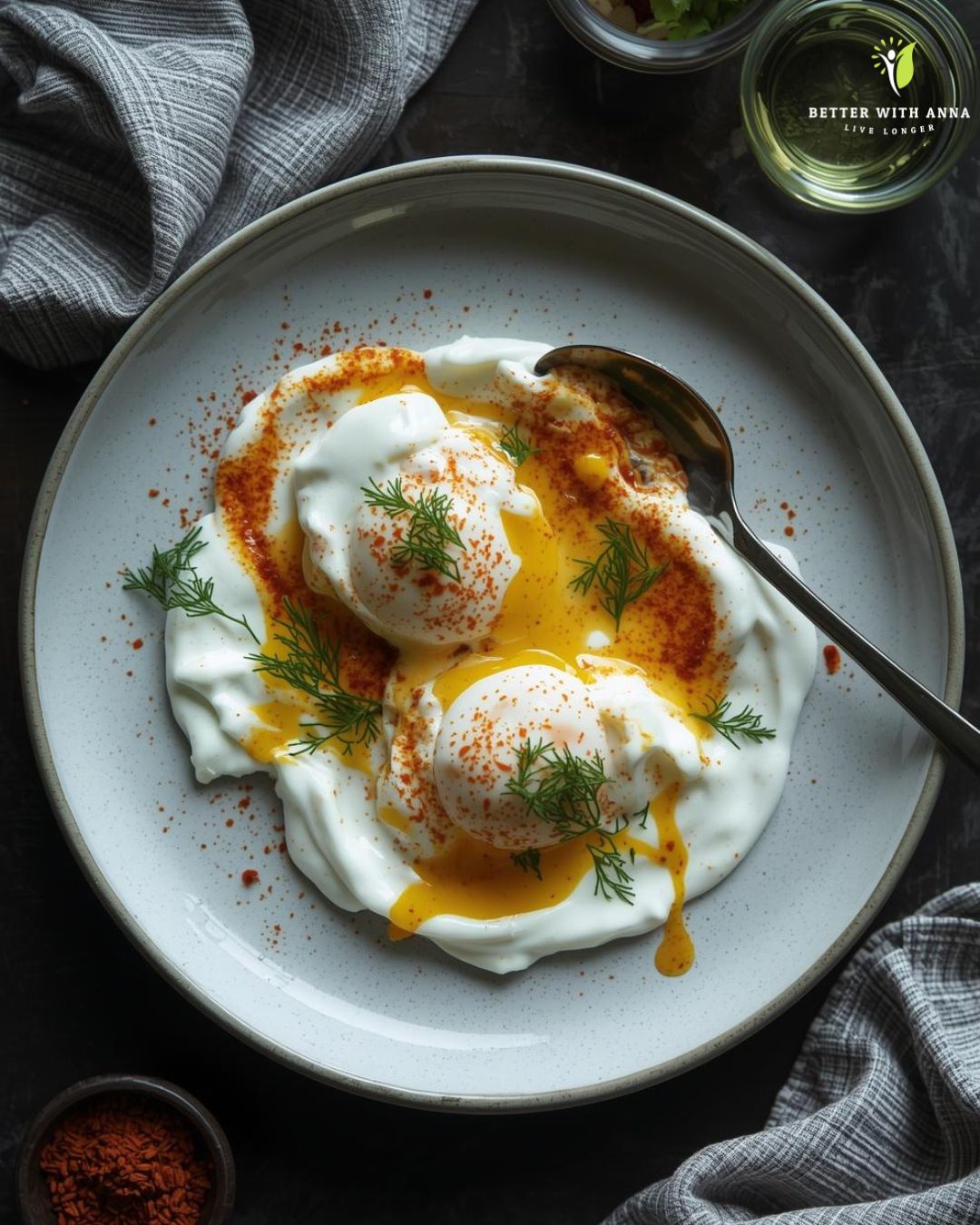
Do you know that feeling? You wake up, have a cup of coffee with a cookie or quickly eat a bowl of oatmeal with fruit. It feels like you have endless energy, but after 1.5–2 hours you catch yourself thinking about chocolate, and by lunchtime you could eat an elephant. 🍫🐘
This isn’t a lack of willpower. It’s the classic response of your body to a morning protein deficit.
At Better With Anna we don’t believe in extreme diets or “magic” pills. We believe in science and a smart approach to the plate. Today I’ll tell you why the first meal often determines how your day goes: whether you’re full of energy or spend the whole day resisting constant snacking.
1\. Control of hunger: how protein “negotiates” with your brain
The main problem with carbohydrate-rich breakfasts is that they leave the stomach quickly. Protein works differently. 📋
When you eat enough protein, something like hormonal magic happens in the body:
- Ghrelin levels drop — that “hunger hormone” that makes your stomach rumble and demands immediate food.
- Satiety hormone levels rise (peptide YY and GLP-1). They send the brain the signal: “All good, you’ve eaten enough, you can focus on tasks instead of chasing a snack.” 🧠✨
Studies show that people who choose a protein-rich breakfast consume on average about 400 fewer calories over the day. And the best part: this happens naturally, without feeling deprived or counting every crumb.

2\. Blood sugar and the “second-meal effect"
Many know that protein helps avoid sharp swings in blood sugar (glucose). But there’s something even more surprising — the so-called "second-meal effect". 📉
The idea is that a high-quality protein-rich breakfast improves your glycemic response not only in the morning but also at lunch. Your pancreas works more efficiently and insulin sensitivity increases.
If your breakfast was balanced according to the principles of The Better Plate, you’re protected against the “afternoon slump” — that state where you want to lie down and sleep after eating. Instead, you’ll have steady, stable energy for the whole workday. ⚡️
3\. Muscles and metabolism: why a “pinch” of protein isn’t enough
I often see people add an egg or a spoonful of quark to their porridge and think the protein amount is covered. Unfortunately, that’s not enough for our muscles. ⚠️
There is a threshold for activating muscle protein synthesis (MPS). If you eat too little protein, the process of recovery and muscle building simply won’t be triggered. Why does that matter, even if you’re not a bodybuilder?
- Muscles are the most important organ for longevity. The more muscle you have, the higher your basal metabolic rate.
- Body composition. Protein helps build shape instead of primarily losing muscle mass when losing weight. 💃
An interesting insight from recent studies: muscle mass is higher in those who distribute protein evenly and give priority to the morning, rather than eating most of the day’s protein at dinner. Your body needs building material here and now to function effectively throughout the day.

How much protein do you need at breakfast? 📋
Forget complicated calculations. Aim for the target: 25–35 grams of pure protein at the first meal.
Simple “palm” rule: Your portion of a protein-rich food (meat, fish, quark, eggs) should be about the size of your palm (without fingers) and roughly that thick. That’s your ideal start.
5 ideas for quick protein-rich breakfasts 🥣
To make it easier for you to put this rule into practice already tomorrow, I’ve prepared some options for every taste:
- Classic (omnivores): Omelet from 2–3 eggs with a bit of lightly salted salmon or pan-fried chicken breast + a large portion of green leafy salad.
- Filling and quick (vegetarians): Quark (9% fat) with a handful of pumpkin seeds and berries.
- Plant-based approach (vegans): Tofu scramble with nutritional yeast, chickpeas and spinach on whole-grain toast. 🥬
- For those in a hurry: Smoothie based on protein powder (or collagen) with chia seeds and almond butter.
- Advanced option: Tuna in its own juice, mixed with avocado on a slice of rye bread.

If you want ready ideas and step-by-step recipes — check out my Instagram post about 5 protein-rich breakfasts on the profile @anna.bertoldi (look in the pinned post or the feed). There I show clearly how to put together an ideal plate in 10 minutes. 🎥✨
Start changing your habits gently
Switching to protein-rich breakfasts is probably the easiest and most effective change you can make for your health today. No stress, no faintness from hunger, and no strict restrictions.
I invite you to try this approach for one week. You’ll be surprised how your well-being, energy level and... the numbers on the scale change. 🌿
Would you like to learn more about how to create your individual nutrition plan? Visit our main page www.betterwithanna.health, where you’ll find information about consultations and our programs. Together we’ll build your path to health step by step. 🤝✨
Sources (studies):
- Protein, weight management, and satiety (PubMed)
- The role of protein in weight loss and maintenance (PubMed)
- A high-protein breakfast prevents body fat gain (Springer)
- Impact of breakfast on daily energy intake (AJCN)23664-3/fulltext)
- Muscle protein synthesis and protein distribution (ScienceDirect)
- The second-meal effect: how breakfast impacts lunch (PubMed)
- Protein leverage and energy intake (PMC)
- Chrononutrition: Why breakfast protein matters for muscles (Frontiers)